ROS and actin
Light-generated ROS locally control actin assembly and disassembly, enabling programmable cytoskeletal remodeling and 3D printing of actin structures in vitro and in living cells.
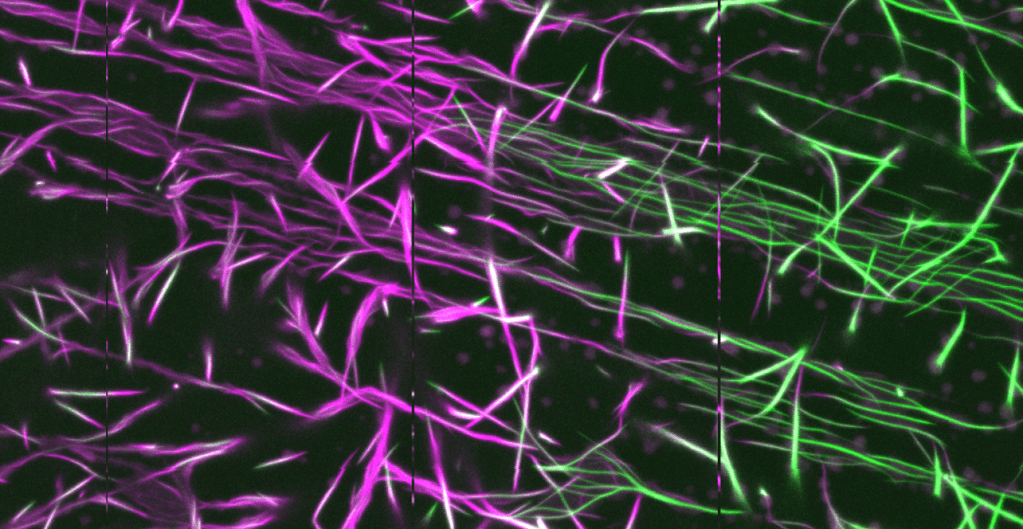
ROS and condensates
Reactive oxygen species trigger phase separation of microtubule regulators, creating spatial protein condensates that reorganize microtubules and reveal redox control of intracellular organization.
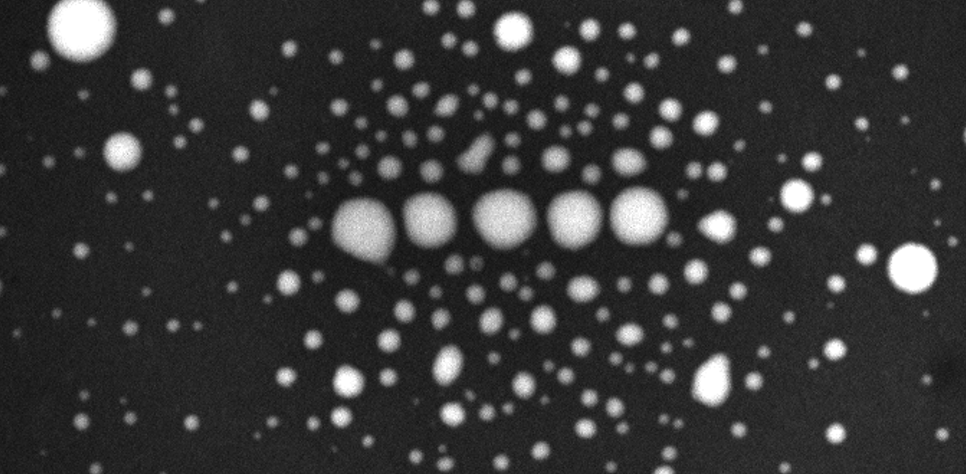
Wound healing in jellyfish
Using the transparent jellyfish Clytia, I show that wound-induced ROS regulate actin remodeling in vivo, linking redox signals to cytoskeletal repair during tissue healing.
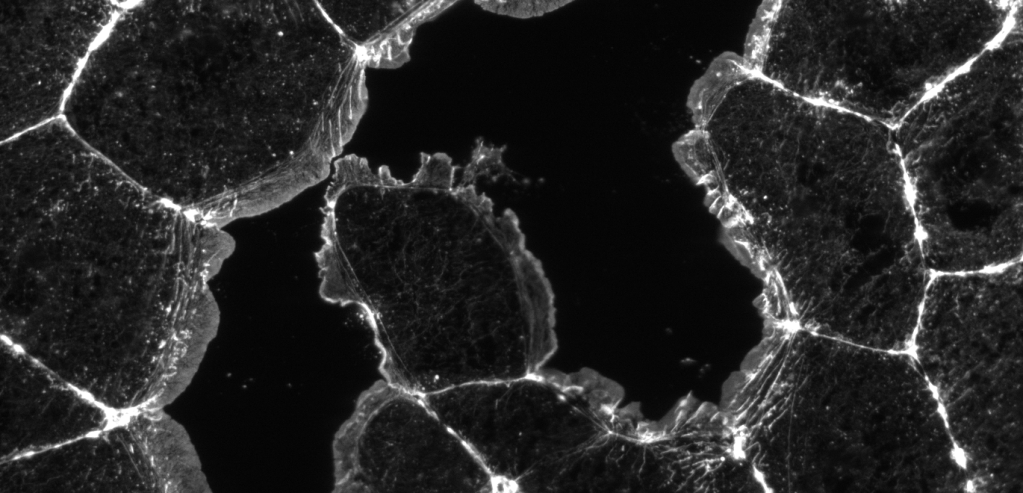
Microscopy of geological samples
Applying confocal and polarized microscopy to rocks to visualize mineral texture, grain structure, and microcracks, adapting biological imaging methods to geological materials.
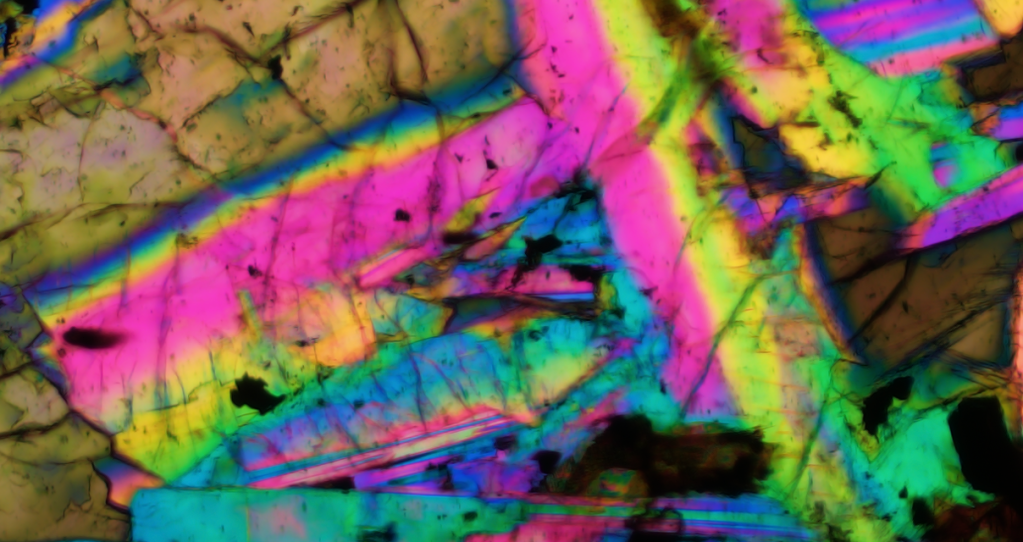
Focal adhesions in vitro
Reconstituted talin, vinculin, and membranes form liquid-like condensates on lipid surfaces, revealing how focal adhesions assemble and organize force-bearing cell–substrate attachments.
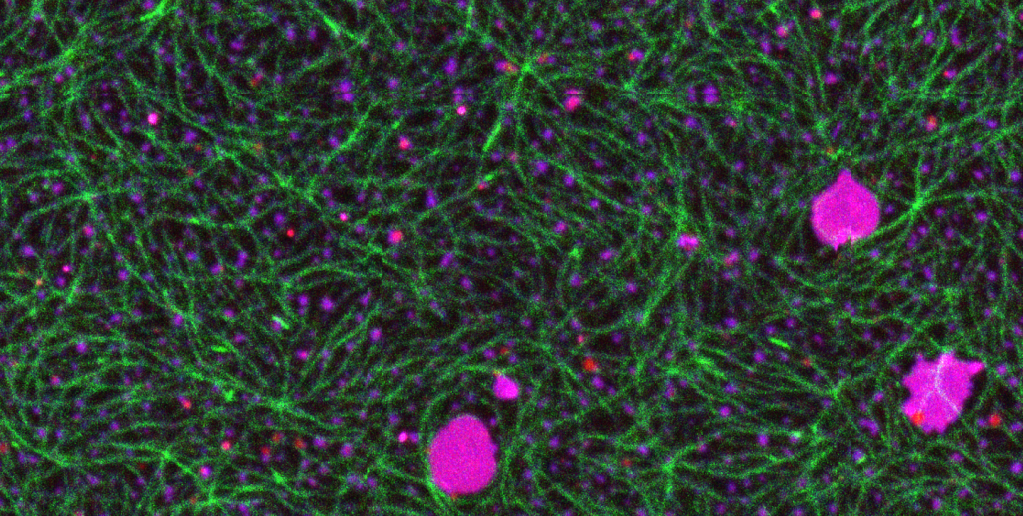
Reconstitution of actin rings in lipid vesicles
Encapsulated actin and myosin self-organize into contractile rings inside vesicles, generating forces that constrict membranes and model minimal cell-division mechanics.
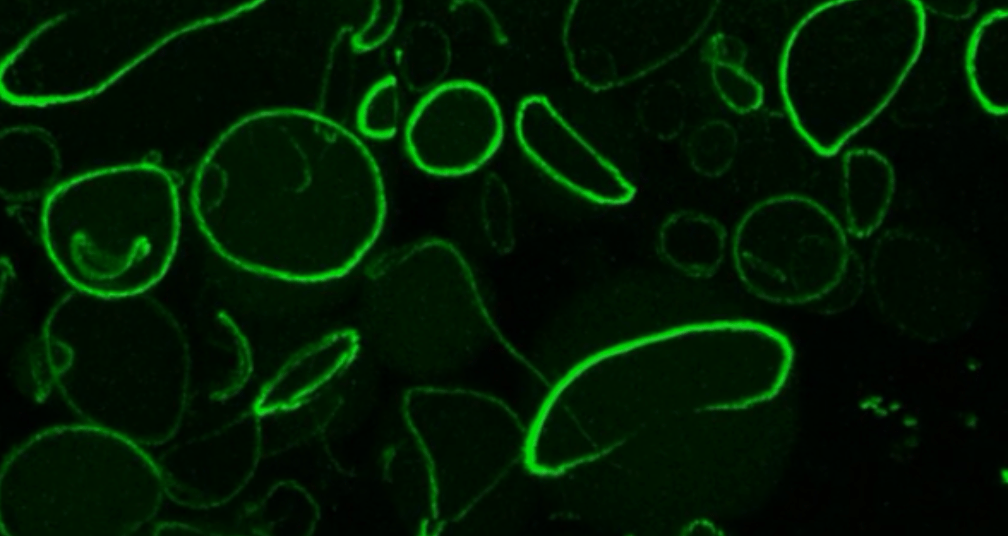
Reaction-diffusion patterns in lipid vesicles
The bacterial Min system forms oscillatory patterns inside vesicles that reshape membranes, linking protein reaction–diffusion dynamics to large-scale mechanical changes.
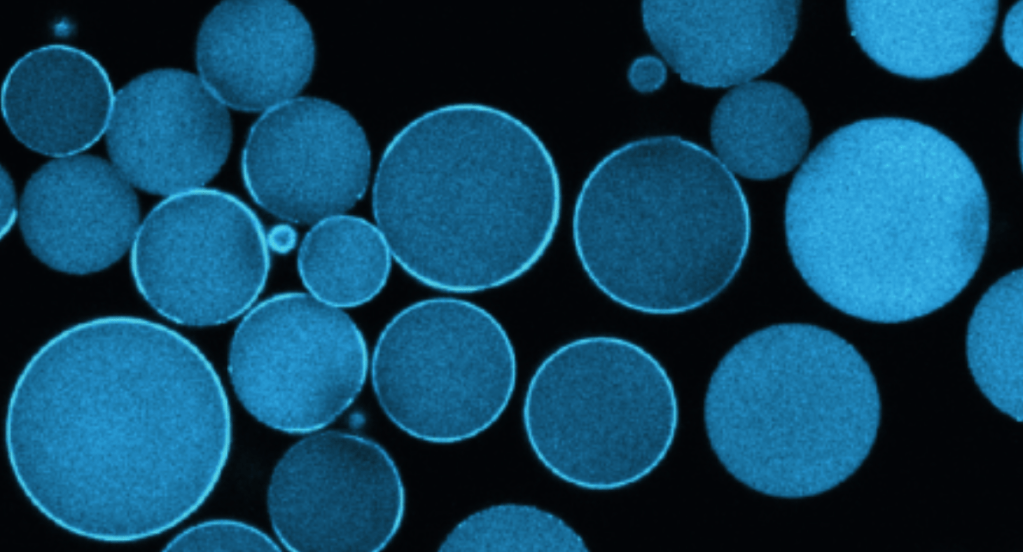
Protocell communication
Freeze–thaw cycles enable nucleic acid exchange between model protocells without fusion, suggesting simple physical mechanisms for molecular sharing in early life.
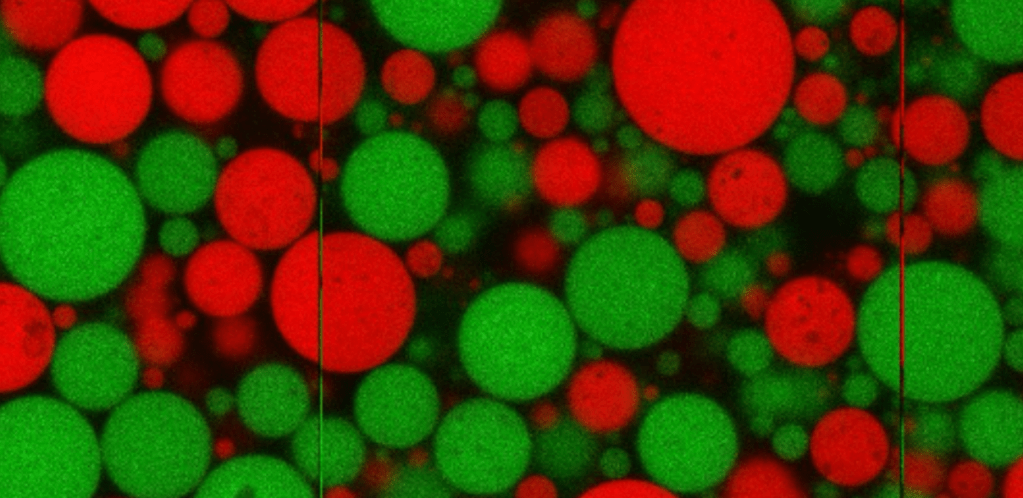
Microfluidic chemical networks
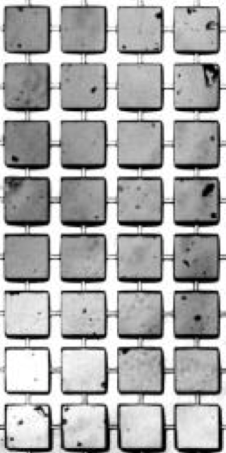
Microfluidic arrays of coupled chemical oscillators produce coordinated rhythmic patterns, demonstrating how complex collective behavior emerges from simple chemical interactions.
 Thomas Litschel